
Advanced inspection
capabilities
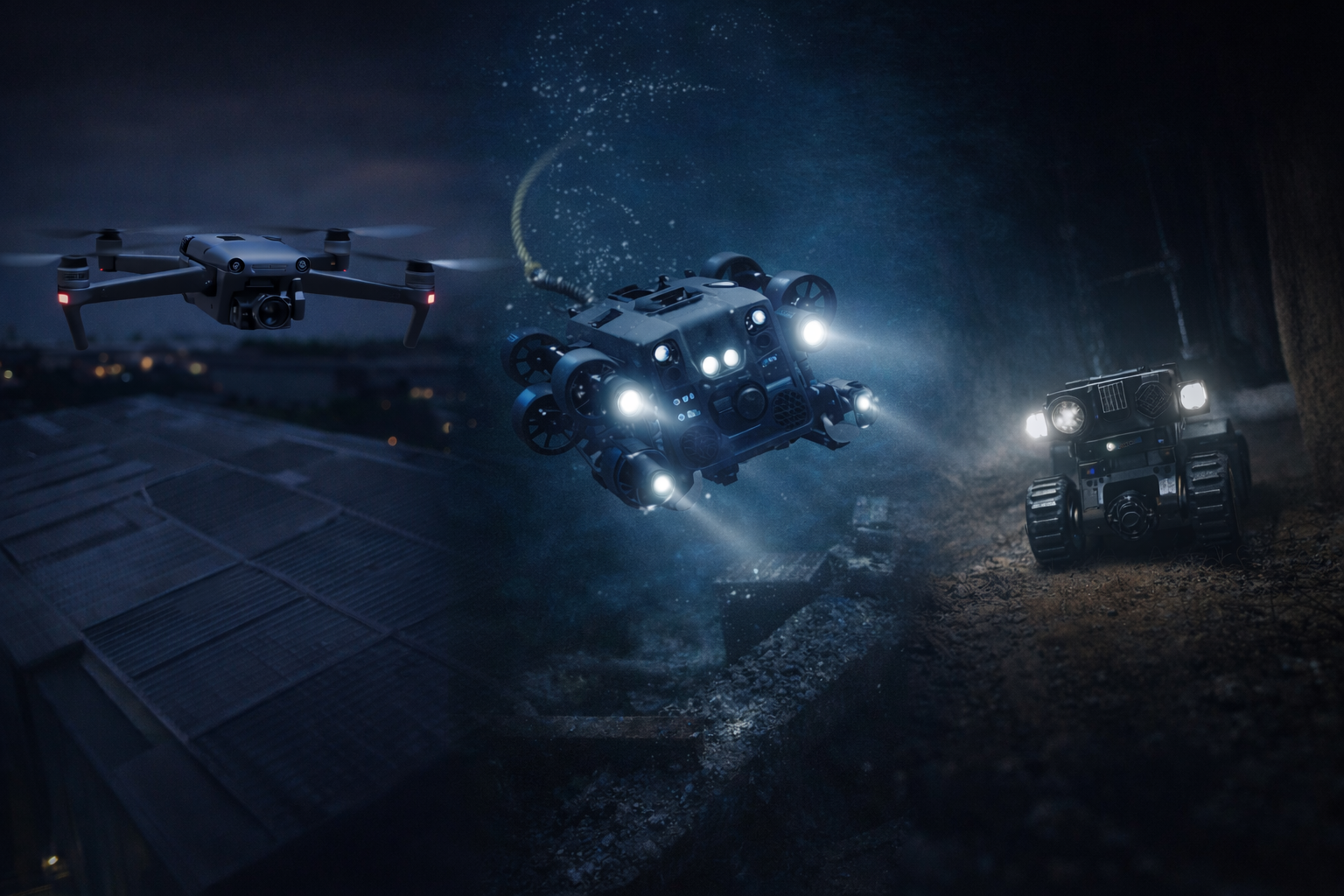
STRATA utilizes advanced inspection platforms to evaluate structures and environments that are difficult, hazardous, or impractical to access through traditional methods, improving safety, visibility, and inspection accuracy.
Aerial inspection
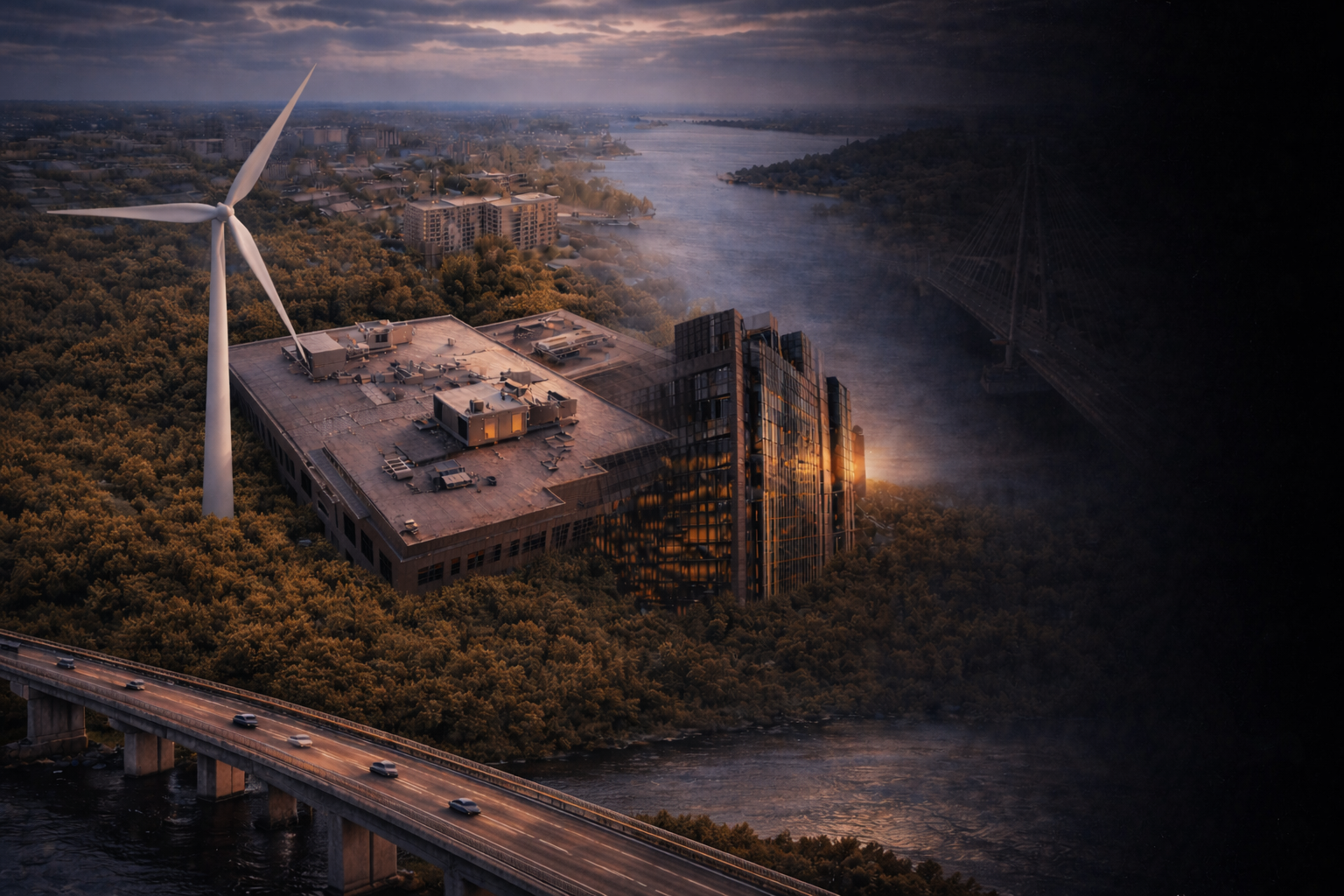
Aerial platforms provide rapid access to elevated or obstructed areas of structures and infrastructure without the need for ladders, lifts, or scaffolding. High-resolution imaging and stabilized flight systems allow detailed evaluation and documentation while minimizing disruption to the property and surrounding environment.
common applications
-Roof condition assessment
-Elevated facade evaluation
-Structural documentation
-Hard-to-reach components
GROUND ROBOTs
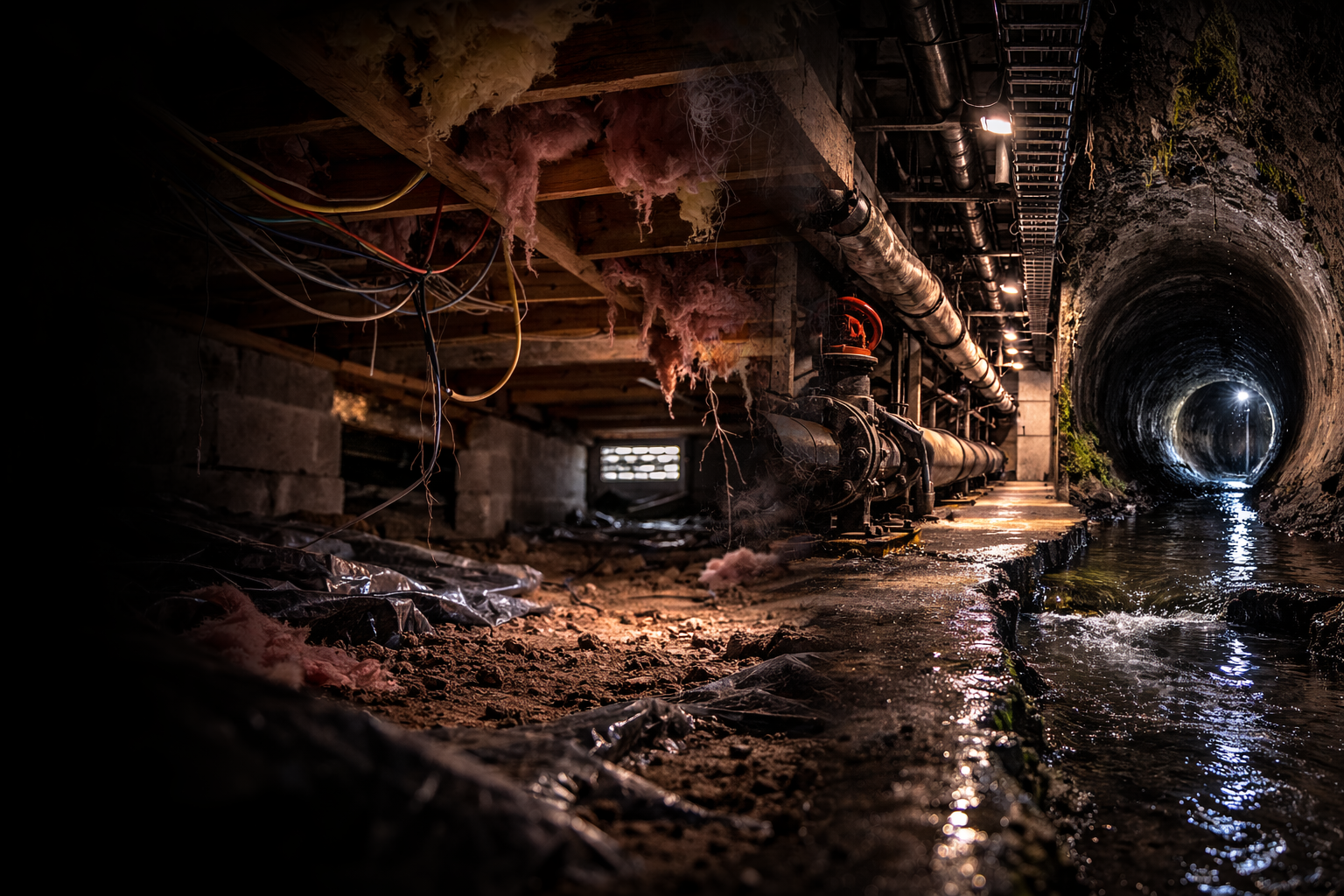
Ground robotic platforms allow evaluation of confined or obstructed areas where traditional access methods are impractical or unsafe. Compact crawler systems equipped with high-resolution cameras and lighting provide detailed documentation of structural components, utilities, and building infrastructure while keeping personnel out of confined or potentially hazardous environments.
COMMON APPLICATIONS
-Crawlspace and under-floor systems
-Confined mechanical areas
-Structural condition documentation
-Restricted access environments
UNDERWATER
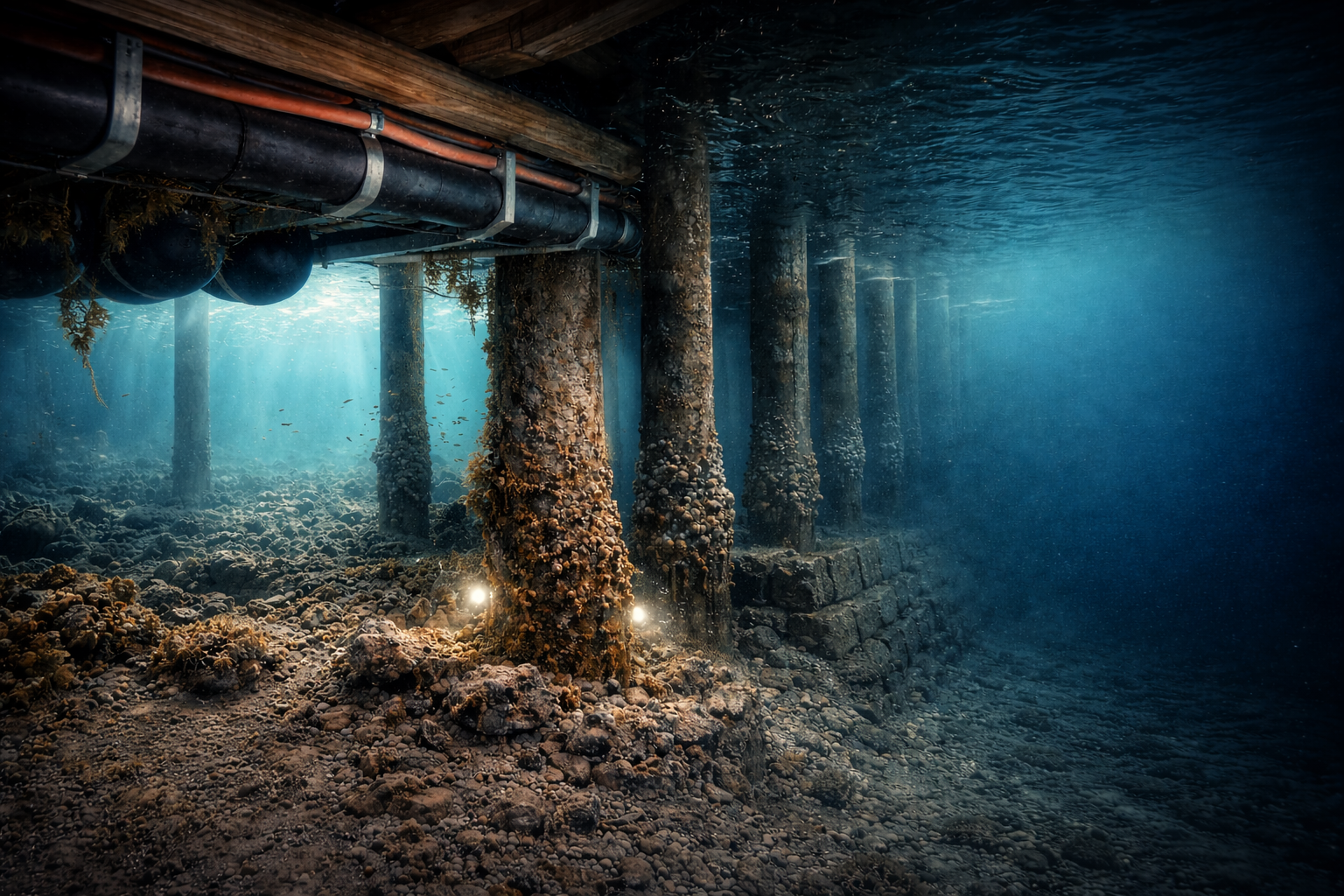
Underwater inspections provide direct evaluation of submerged structural components that cannot be safely or effectively accessed by conventional means. High-resolution imaging systems allow detailed documentation of structural conditions while reducing the need for divers and minimizing operational risk.
Common Applications
-Bridge foundations and pier structures
-Dock and marina infrastructure
-Seawalls and shoreline structures
-Vessel hull, propeller, rudder inspection
Integrated Capabilities
Advanced inspection technologies allow STRATA to evaluate structural components and infrastructure systems located in elevated, confined, or submerged environments. By expanding access to these areas, projects can be documented more thoroughly while reducing the need for complex access methods or hazardous entry conditions.